
News
Promoting a Greener Nigeria: NITDA’s Commitment to Renewable Technology

Promoting a Greener Nigeria: NITDA’s Commitment to Renewable Technology
“The greatest threat to our planet is the belief that someone else will save it” — Robert Swan, environmentalist and explorer
Ernest Ogezi
As the world transitions towards sustainability, Nigeria is making strategic strides in embracing green technology to meet the challenges of climate change and environmental degradation. The National Information Technology Development Agency (NITDA) plays a pivotal role in advancing Nigeria’s adoption of renewable energy solutions and promoting environmentally friendly practices within the tech sector. By integrating renewable technologies into the nation’s digital infrastructure, NITDA is leading efforts to create a sustainable future that balances technological progress with environmental responsibility.
Renewable energy technologies have become central to global efforts to mitigate climate change. As nations work to reduce their reliance on fossil fuels, the adoption of clean energy sources such as solar, wind, and hydroelectric power has surged. In Nigeria, renewable energy offers a vital pathway to addressing the country’s energy deficit while reducing carbon emissions. NITDA’s initiatives in promoting green technology are aligned with these global trends, emphasizing the importance of sustainable energy solutions in the digital era.
One of NITDA’s key initiatives is the promotion of green data centers powered by renewable energy. Data centers are critical to the functioning of the digital economy but are also significant consumers of electricity. Traditional data centers, which rely heavily on non-renewable energy sources, contribute substantially to greenhouse gas emissions. To address this, NITDA advocates for the development of data centers that utilize solar and wind energy, thereby reducing their environmental impact. By encouraging the tech industry to adopt energy-efficient practices and renewable energy sources, NITDA is helping to reduce the carbon footprint of Nigeria’s growing digital infrastructure.
In addition to green data centers, NITDA is actively promoting the adoption of solar energy solutions across various sectors. Solar power, with its abundance and cost-effectiveness, is particularly well-suited for Nigeria, a country that receives ample sunlight throughout the year. NITDA has been instrumental in supporting the deployment of solar panels in remote and underserved areas, providing reliable and sustainable electricity to power ICT infrastructures such as telecommunication towers and internet access points. This initiative not only contributes to reducing carbon emissions but also helps bridge the digital divide by bringing connectivity to communities that were previously off the grid.
The agency’s commitment to green technology extends to the promotion of sustainable practices within the broader ICT industry. NITDA has been a strong proponent of eco-friendly manufacturing practices, encouraging companies to adopt green technologies in the production of electronic devices. This includes the use of recyclable materials, energy-efficient designs, and waste reduction strategies. By fostering a culture of sustainability within the tech industry, NITDA is ensuring that environmental considerations are integrated into every stage of the product lifecycle.
Furthermore, NITDA has been involved in advocating for the integration of renewable energy solutions in the national power grid. The agency supports initiatives that enhance the capacity of Nigeria’s power grid to accommodate and distribute electricity generated from renewable sources. This is crucial for ensuring the stability and reliability of power supply, particularly in areas where renewable energy is the primary source of electricity. By working with stakeholders across the energy and technology sectors, NITDA is helping to build a more resilient and sustainable energy infrastructure for the country.
NITDA’s efforts are also closely aligned with Nigeria’s broader national development goals and international commitments to sustainability. The agency’s promotion of green technology is in line with the United Nations Sustainable Development Goals (SDGs), particularly Goal 7 (Affordable and Clean Energy) and Goal 13 (Climate Action). By advancing renewable energy solutions and environmentally friendly practices, NITDA is contributing to Nigeria’s efforts to reduce greenhouse gas emissions, enhance energy security, and foster sustainable economic growth.









As the on-line betting market continues to grow, it’s important for players to be aware of accountable gaming techniques. Accountable gambling wagering sites are systems that prioritize the wellness of their consumers and promote safe and liable betting behaviors.
What are Accountable Gambling Betting Sites?
Accountable gambling wagering sites are on the internet platforms that intend to avoid and resolve trouble wagering habits. These websites provide resources and tools to help customers handle their gaming routines, such as setting down payment restrictions, self-exclusion alternatives, and access to sustain solutions.
Liable gaming wagering sites additionally advertise openness and justness in their procedures, guaranteeing that consumers recognize the threats connected with betting and supplying information on just how to seek aid if needed.
By promoting accountable gaming methods, these websites aim to develop a risk-free and satisfying environment https://www.trustpilot.com/review/clarohorizonte.com for all players, while minimizing the possible injury that can be related to problem gaming.
- Establishing down payment limitations
- Self-exclusion options
- Access to sustain solutions
- Advertising openness and fairness
Exactly How to Determine Liable Gambling Betting Sites
There are numerous key signs that can assist you determine liable gaming wagering sites. Try to find systems that plainly display details on accountable gambling, consisting of web links to support services and resources for handling gambling habits.
Liable gaming wagering websites often have devoted sections on their internet sites that outline their dedication to advertising safe and responsible betting practices. They might additionally show logo designs or qualifications from organizations that concentrate on responsible gambling, showing their commitment to this crucial concern.
Furthermore, responsible gambling wagering websites normally give tools and attributes that permit users to set limitations on their betting activity, such as deposit limitations, time frame, and self-exclusion choices. These functions help individuals take control of their gambling behaviors and stop excessive or damaging actions.
The Relevance of Accountable Gaming
Liable gaming is crucial for safeguarding players from the prospective harms of issue gaming. By advertising responsible betting practices, betting sites can help avoid dependency, economic difficulty, and various other negative consequences that can arise from too much betting.
- Safeguarding players from the damages of problem wagering
- Preventing addiction and monetary difficulty
- Advertising a safe and satisfying betting setting
Final thought
Responsible gaming wagering websites play an important duty in advertising safe and responsible betting behaviors. By providing sources, tools, and assistance services, these platforms assist users manage their betting habits and reduce the threats associated with trouble betting.

A youth-led organisation, Inclusive Development (INCLUDE), has unveiled the Change-Maker’s Public Policy Guide, a new resource aimed at empowering young Nigerians with the skills and knowledge needed to participate actively in governance, policymaking, and accountability processes.
The guide was launched in Abuja on Friday at the conclusion of a five-week intensive capacity-building programme designed to strengthen youth engagement in public policy development and civic participation.
Speaking during the unveiling, the Executive Director of Inclusive Development, Bukola Taiwo, said the initiative was created to address the gap between young people’s desire to influence governance and their understanding of how public policy systems operate.
According to her, many young Nigerians are eager to contribute to governance but often lack the practical knowledge required to engage effectively with policy structures and decision-making processes.
Taiwo explained that the programme trained 20 young participants in key areas of public policy, governance, and accountability. Of the participants, 17 successfully developed policy briefs addressing critical issues affecting their communities and the country.
She noted that the trainees collaboratively developed the Change-Maker’s Public Policy Guide as a practical resource to help young Nigerians navigate policy processes at both national and sub-national levels.
“The programme focused on amplifying the voices of young people in public policy discussions and equipping them with the skills needed to engage governance and accountability systems effectively,” she said.
She added that the guide was designed to help emerging changemakers understand how policies are formulated, identify opportunities for engagement across different levels of government, and contribute meaningfully to governance reforms.
The training programme covered several aspects of policy development and advocacy, including policy research, systems thinking, power mapping, problem analysis, and strategic storytelling.
Participants were introduced to analytical tools such as systems change frameworks, power mapping models, and problem analysis techniques to enhance their ability to identify policy challenges and propose evidence-based solutions. The programme also highlighted the role of storytelling in shaping public discourse and influencing policy outcomes.
The initiative was organised by Inclusive Development (INCLUDE) with support from the Nigeria Youth Futures Fund and the Amandla Institute for Leadership and Policy Advancement.
Taiwo reaffirmed the organisation’s commitment to empowering young people, particularly those from underserved and marginalised communities, to participate meaningfully in governance and development processes.
Inclusive Development (INCLUDE) is a youth-led organisation dedicated to promoting equity, peace, and justice through initiatives that empower underserved populations. The organisation operates at the intersection of governance, peacebuilding, and gender justice to advance sustainable development in Nigeria and across Africa.
Stakeholders at the event described the guide as a timely intervention capable of deepening youth participation in policymaking and fostering stronger connections between citizens and governance institutions.


Fresh allegations of large-scale financial irregularities, abuse of office, and governance breakdown have engulfed the Nigeria Social Insurance Trust Fund (NSITF), following a series of petitions by the Arewa Revival Project, a civic accountability and good-governance advocacy group, calling for urgent investigations into the activities of the Managing Director/Chief Executive Officer, Mr. Oluwaseun Mayomi Faleye.
The group has formally written to the Economic and Financial Crimes Commission (EFCC), the Independent Corrupt Practices and Other Related Offences Commission (ICPC), the Office of the Auditor-General of the Federation, the Federal Ministry of Finance under the Whistleblower Policy, the Federal Ministry of Labour and Employment, the NSITF Management Board, as well as organised labour bodies, including the Nigeria Labour Congress (NLC) and the Trade Union Congress (TUC).
At the centre of the controversy are allegations involving the management of approximately ₦297,019,145,288.60 in workers’ funds collected under the Employees’ Compensation Act (ECA) between January 2 and October 9, 2025.
Workers’ Funds, Not Government Revenue
The Employees’ Compensation Scheme is funded through compulsory employer contributions of one per cent of payroll, designed to provide compensation to Nigerian workers who suffer injury, disability, or death in the course of employment.
According to multiple senior NSITF officials cited in investigative reports, the funds administered by NSITF are not government revenue, but trust funds belonging exclusively to Nigerian workers.
“This is not government money. This is workers’ money, contributed mandatorily under the law,” one senior official was quoted as saying. “Every kobo is supposed to be protected by layers of checks and balances.”
₦243.2bn Allegedly Spent Without Board Approval
Documents reviewed by investigators indicate that out of the total inflow of ₦297,019,145,288.60, expenditures amounting to ₦243,203,518,621.17 were recorded within the same period.
Multiple sources allege that a significant portion of this expenditure was carried out without the approval of the NSITF Management Board, in violation of the NSITF Act and existing federal financial regulations.
Officials familiar with the records described the development as a “complete collapse of safeguards” meant to protect workers’ funds.
‘No Approval Limit’ Resolution Raises Alarm
Central to the allegations is an internal document dated March 4, 2025, reportedly extracted from the minutes of the 46th Executive Committee (EXCO) meeting of NSITF, chaired by Mr. Faleye.
According to the document, financial approval limits were set as follows:
- Other General Managers: ₦25,000
- General Manager (Finance): ₦50,000
- Other Executive Directors: ₦750,000
- Executive Director (Finance and Investment): ₦1,000,000

However, under the same resolution, the Managing Director/Chief Executive Officer allegedly approved “no limit” for his own spending authority.
Sources allege that this effectively granted Mr. Faleye unrestricted powers to approve payments of any amount without recourse to the Board or external oversight.
“He simply wrote and signed a document granting himself ‘No Approval Limit’,” a senior official disclosed. “There is absolutely no legal basis for this in the NSITF Act or federal financial regulations.”
Under existing federal thresholds, Managing Directors of government parastatals are reportedly capped at ₦30 million for works and ₦10 million for goods and services, subject to board oversight.
Over 100 Bank Accounts Linked to One BVN
Perhaps the most startling allegation involves the operation of over 100 bank accounts allegedly linked to a single Bank Verification Number (BVN) belonging to Mr. Faleye.
Documents reportedly show that the BVN, registered on June 10, 2015, with Guaranty Trust Bank, Ajose Adeogun Branch, is associated with numerous accounts, some of which allegedly received funds traceable to NSITF operations.
“The scale is staggering,” one insider said. “You don’t run over 100 accounts accidentally. This points to systematic structuring.”
$7.3m and Hundreds of Millions of Naira Traced
In a separate document obtained by investigators, alleged inflows of millions of dollars and hundreds of millions of naira were traced to accounts linked to Mr. Faleye and entities reportedly associated with him.
The transactions listed include:
- Faleye Oluwaseun Mayomisola, GTBank USD Account 0111206422 – $336,917.00
- Faleye Oluwaseun Mayomisola, GTBank USD Account 0004754113 – $6,743,421.00
- Faleye Oluwaseun Mayomisola, GTBank NGN Account 0004754096 – ₦291,182,605.00
- Fides & Fiducia Client Account, Access Bank NGN Account 0718896883 – ₦584,950,000.00
- Fides & Fiducia, Access Bank USD Account 0690403396 – $626,279.00
- Fides & Fiducia, Zenith Bank NGN Account 1013806407 – ₦93,757,500.00
- Pluschess Limited, Zenith Bank USD Account 071315271 – $20,000.00
- Faleye Oluwaseun Mayomisola, GTBank USD Account 3001101016 – $75,558.00
The total dollar inflow alone is estimated at over $7.3 million, excluding naira-denominated transactions.
“These are not small transfers,” a source familiar with the documents said. “The volume, frequency, and structuring suggest deliberate efforts to move and possibly conceal funds.”
₦5.53bn Commission Payments Questioned
Further allegations relate to commission payments totalling ₦5,533,517,486.90, allegedly approved and paid without the consent of the NSITF Management Board or the supervising Ministry.
The payments reportedly include:
- ₦1,379,186,010.00 – Assurance Services ST ADBA Ltd (09/10/2025)
- ₦865,000,000.00 – TAGG Global Resources Ltd (18/03/2025)
- ₦683,777,666.40 – Rate Seal Support & Project Ltd (17/09/2025)
- ₦659,303,810.50 – Rate Seal Support & Project Ltd (16/05/2025)
- ₦648,750,000.00 – Rate Gold Solution Nig Ltd (16/05/2025)
- ₦648,750,000.00 – Gold Solution Nig Ltd (01/08/2025)
- ₦648,750,000.00 – TAGG Global Resources Ltd (01/08/2025)

Sources allege that the commissions ranged between 15 per cent and 20 per cent, and were paid without lawful authority.
Board Absence and Governance Vacuum
Mr. Faleye was appointed Managing Director in July 2023, while the NSITF Management Board was reportedly not constituted until around January 2025, creating a governance gap of over one year.
“The Act expressly forbids Executive Management from spending funds without board approval,” a top official explained. “If there is no board, spending should not take place.”
Arewa Revival Project Condemns Alleged Acts
Reacting to the allegations, the Arewa Revival Project, under the leadership of Hon. Muttakka Ahmed Ibrahim, condemned the alleged acts, describing them as a grave betrayal of public trust if proven.
The group called on President Bola Ahmed Tinubu, as well as all relevant anti-corruption and regulatory authorities, to urgently investigate the allegations to protect workers’ funds and restore confidence in public institutions.
Responses from Officials
When contacted, Mr. Faleye reportedly stated that he was not aware of the allegations. However, when questioned about the dollar accounts and alleged inflows of over $7.3 million, he reportedly ended the call abruptly.
The Permanent Secretary of the Ministry of Labour, Mr. Salihu Usman, reportedly denied prior knowledge of the alleged transactions, while the Chairman of the NSITF Board, Mr. Shola Olofin, requested time to verify the claims.
Presumption of Innocence
All allegations remain unproven and subject to investigation. Analysts note that the unfolding developments represent a major test of Nigeria’s public finance accountability framework, particularly in institutions entrusted with workers’ welfare.
As investigations commence, millions of Nigerian workers await answers over the safety of funds meant to protect them in times of injury, disability, and loss.
Responsible Gambling Betting Sites

Inclusive Development Launches Policy Guide to Strengthen Civic Engagement in Nigeria

APC Support Groups Back Renewed Hope Network as Peters Predicts Wider Coalition for Tinubu’s 2027 Bid

Facebook, Instagram Temporarily Allow Posts on Ukraine War Calling for Violence Against Invading Russians or Putin’s Death
Movie download platform, Netnaija, announces closure

Nigeria, Other West African Countries Facing Worst Food Crisis in 10 Years, Aid Groups Say

-
Headlines5 years ago
Facebook, Instagram Temporarily Allow Posts on Ukraine War Calling for Violence Against Invading Russians or Putin’s Death
-
Entertainment3 years ago
Movie download platform, Netnaija, announces closure
-
Headlines5 years ago
Nigeria, Other West African Countries Facing Worst Food Crisis in 10 Years, Aid Groups Say
-
 News5 years ago
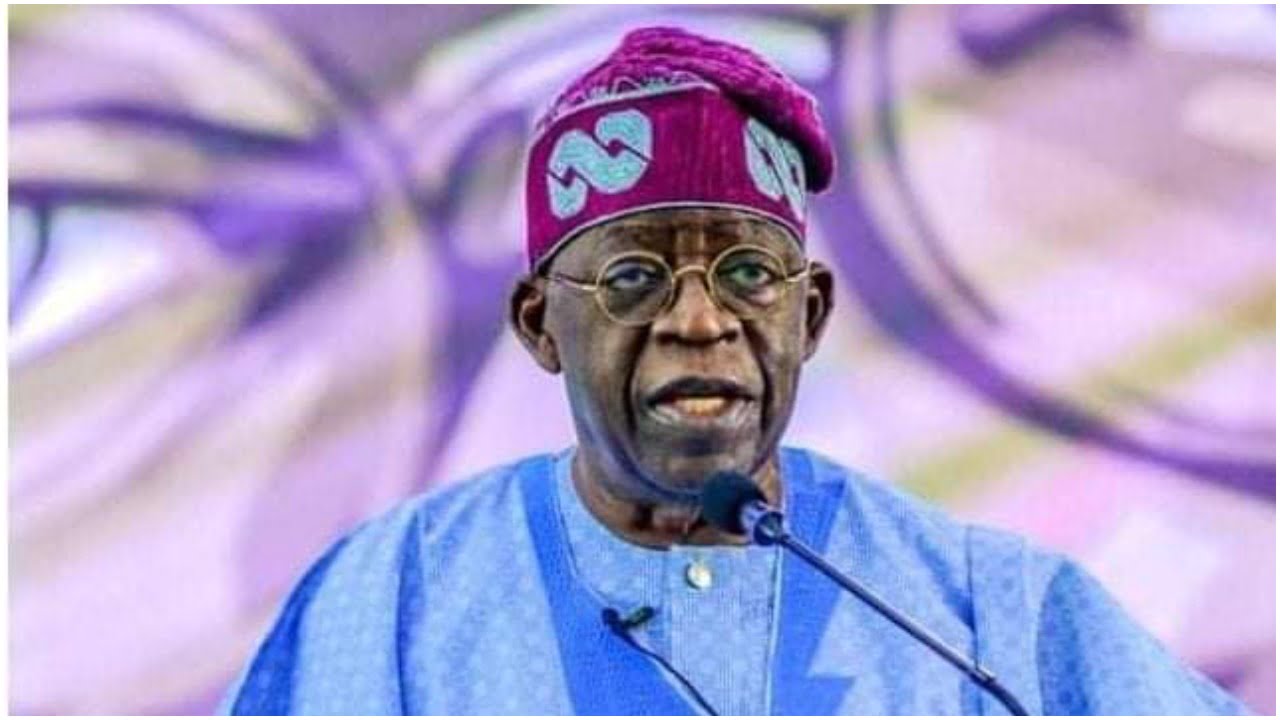
2023: I will transform Nigeria from a potential to a prosperous country― Tinubu
-
 Foreign4 years ago
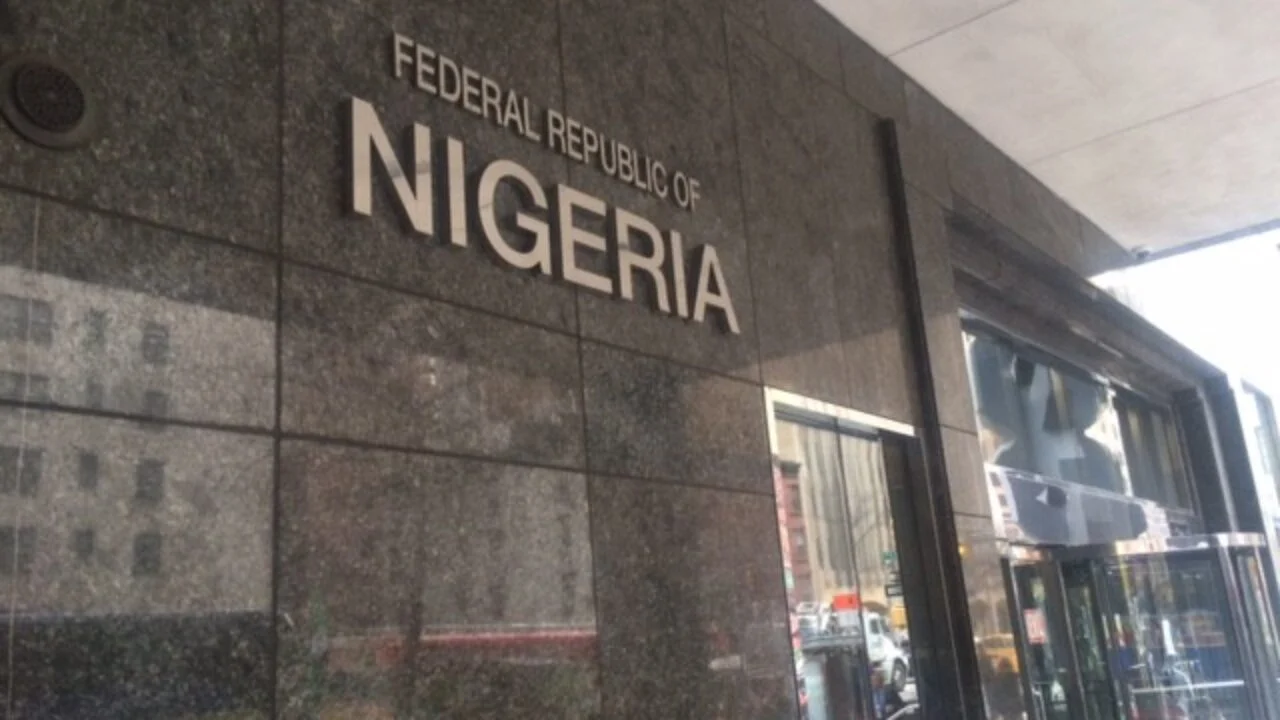
New York Consulate installs machines for 10-year passport
-
 Crime4 years ago
EFCC Arrests Ex-Zamfara Governor Yari Over ₦84bn Fraud
-

 News2 years ago
Zero Trust Architecture in a Remote World: Securing the New Normal
-
 Headlines5 years ago
Adamawa Govt approves ₦3bn for NG-CARES Programme
