
Headlines
UNICEF expresses concern over high rate of female genital mutilation in Nigeria


By Derrick Bangura
The United Nations Children’s Fund (UNICEF) has expressed concern that female genital mutilation (FGM) is on the rise in Nigeria, which is now ranked third in the world.
While warning that female genital mutilation is on the rise among Nigerian girls aged 0-14, UNICEF issued a press release on International Day of Zero Tolerance for Female Genital Mutilation 2022, revealing that rates have risen from 16.9% in 2013 to 19.2% in 2018, a “worrying trend,” according to UNICEF.
Female genital mutilation (FGM) is still prevalent in Nigeria, according to UNICEF, with an estimated 19.9 million survivors and Nigeria accounting for the third highest number of women and girls who have had FGM worldwide.
“While the nationwide prevalence of FGM among Nigerian women aged 15-49 declined from 25% in 2013 to 20% in 2018, prevalence among girls aged 0-14 increased from 16.9% to 19.2% in the same period, according to NDHS estimates,” the UN agency said.
“An estimated 86 percent of girls had their hair cut before the age of 5, while 8% had their hair chopped between the ages of 5 and 14.”As the world observes today’s International Day of Zero Tolerance for Female Genital Mutilation, UNICEF estimates that 68 million girls worldwide would be at danger of female genital mutilation between 2015 and 2030.” COVID-19 is closing schools and disrupting programs that help protect girls from this destructive practice, which could result in an additional 2 million cases of FGM over the next decade.”Millions of girls are being robbed of their childhoods, health, education, and aspirations every day by harmful practices such as FGM,” said UNICEF Representative in Nigeria Peter Hawkins in the release, adding that “the practice of FGM not only has no health benefits – it is deeply harmful to girls and women, both physically and psychologically.” It is a practice that no longer has a place in our society and must be abolished, as many Nigerian communities have already pledged.”
It was acknowledged that there are differences in practice across Nigeria. The incidence varies by state, ranging from 62% in Imo to less than 1% in Adamawa and Gombe. The South East has the highest prevalence of FGM. “The Movement for Good” will reach 5 million adolescent girls and boys, women – including pregnant and lactating mothers – men, grandparents, traditional, community and religious leaders, legislators, justice sector actors, and state officials through an online pledge to “say no” to FGM, according to the statement. The movement will mobilize affected communities for household-level action to protect girls who are at risk of FGM. It will address misconceptions about female genital mutilation (FGM) and the discriminatory reasons for its prevalence, as well as shatter the silence around the practice in collaboration with communities.
Internationally, female genital mutilation (FGM) is considered a violation of girls’ and women’s human rights. It is an extreme kind of discrimination against girls and women, and it represents deep-seated gender inequality. It is almost always done on minors, and it is a violation of their rights. In cases where the surgery results in death, it also violates a person’s right to health, security, and physical integrity; the right to be free from torture and cruel, inhuman, or degrading treatment; and the right to life. Internationally, female genital mutilation (FGM) is considered a violation of girls’ and women’s human rights. It is an extreme kind of discrimination against girls and women, and it represents deep-seated gender inequality. It is almost always done on minors, and it is a violation of their rights. In cases where the surgery results in death, it also violates a person’s right to health, security, and physical integrity; the right to be free from torture and cruel, inhuman, or degrading treatment; and the right to life.
“The International Day of Zero Tolerance for Female Genital Mutilation reminds us that we are not alone in this fight, and that we must step up our efforts – particularly with families and communities – to make Nigeria a safe place for girls and women. “Our goal is to make Nigeria a safe place for girls and women, free of FGM,” Peter Hawkins stated.








Adamawa Business School Hosts Workshop on New Tax Reform Law
By Ibrahim Abubakar Jimeta
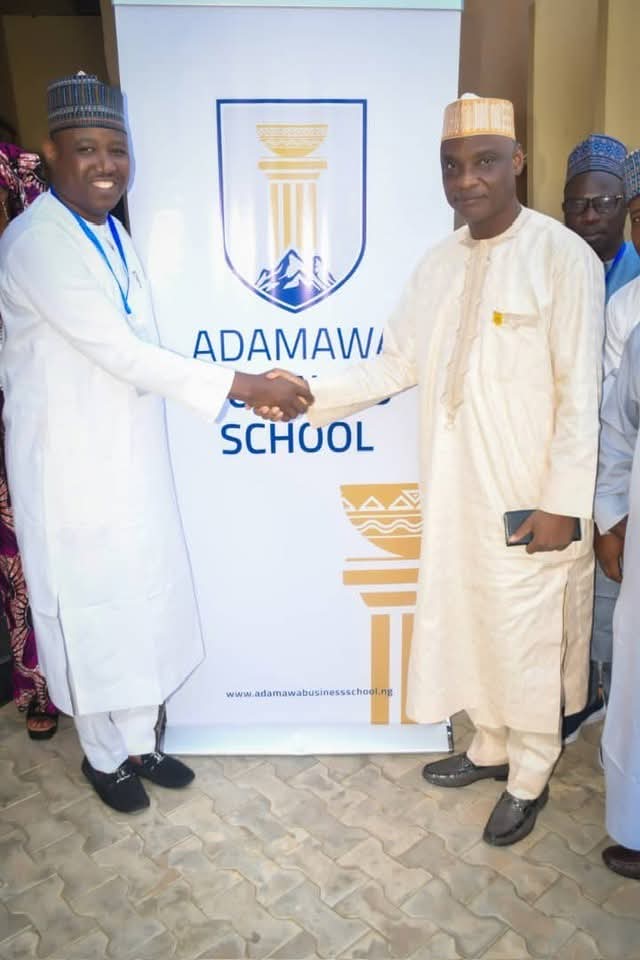
The Adamawa Business School (ABS) has organised a high-level training and sensitisation workshop on the New Tax Reform Law in Nigeria, aimed at enhancing understanding of recent fiscal reforms and strengthening public sector administration in Adamawa State.
The workshop, held in collaboration with the Office of the Head of the Civil Service of Adamawa State and supported by the Federal Inland Revenue Service (FIRS), brought together Permanent Secretaries, senior public servants, tax officials, and policy experts to examine the implications of the new tax framework for governance and fiscal sustainability.
Speaking during the opening session, the Co-Founder of Adamawa Business School, Mallam Jamilu Yusuf, described the workshop as a strategic intervention designed to bridge knowledge gaps and improve policy implementation within Ministries, Departments, and Agencies (MDAs).
Yusuf explained that the engagement was organised under the school’s Public Policy Support Initiative, a non-profit platform that provides research, training, and capacity development support to government institutions. He noted that Nigeria’s evolving tax landscape, driven by Finance Acts, administrative reforms, and digital innovations, requires senior public officials to be well-informed in order to translate policy into effective practice.
According to him, Permanent Secretaries and top civil servants play a crucial role in ensuring compliance and successful implementation of tax reforms at the sub-national level, stressing that inadequate understanding of tax laws often creates implementation challenges that negatively affect citizens and institutions.
He reaffirmed Adamawa Business School’s commitment to supporting the state government through policy-focused learning, dialogue, and partnerships that promote transparency, fiscal sustainability, and improved service delivery.
In his remarks, the Head of the Adamawa State Civil Service, Isa Shehu Ardo, mni, emphasised the importance of equipping senior public servants with a clear understanding of the new tax laws. He noted that Permanent Secretaries, as the most senior career officers in the public service, must fully comprehend the reforms in order to guide implementation and avoid difficulties that often arise from poor information and limited awareness.
Delivering the welcome address on behalf of the Office of the Head of Civil Service, the Permanent Secretary, Establishment and Training, Fabian S. Wambai, commended Adamawa Business School for organising the workshop as part of its corporate social responsibility.
Wambai described the new national tax law as a major reform with far-reaching implications for public finance, compliance, and economic stability. He said the workshop provided a valuable opportunity for Permanent Secretaries, as accounting officers and senior administrators, to deepen their understanding of the law and its impact on government operations and engagements with the private sector.
He urged participants to actively engage in discussions, interact with resource persons, and leverage the knowledge gained to strengthen institutional compliance, improve advisory roles to political leadership, and promote transparent and accountable governance.
The workshop featured sessions led by experienced tax professionals, focusing on the provisions of the new tax reform law, its implications for public financial management, and strategies for effective collaboration between federal and state institutions.
Participants expressed optimism that the training would enhance policy implementation, reduce administrative challenges, and contribute to a more efficient and fiscally informed public service in Adamawa State.
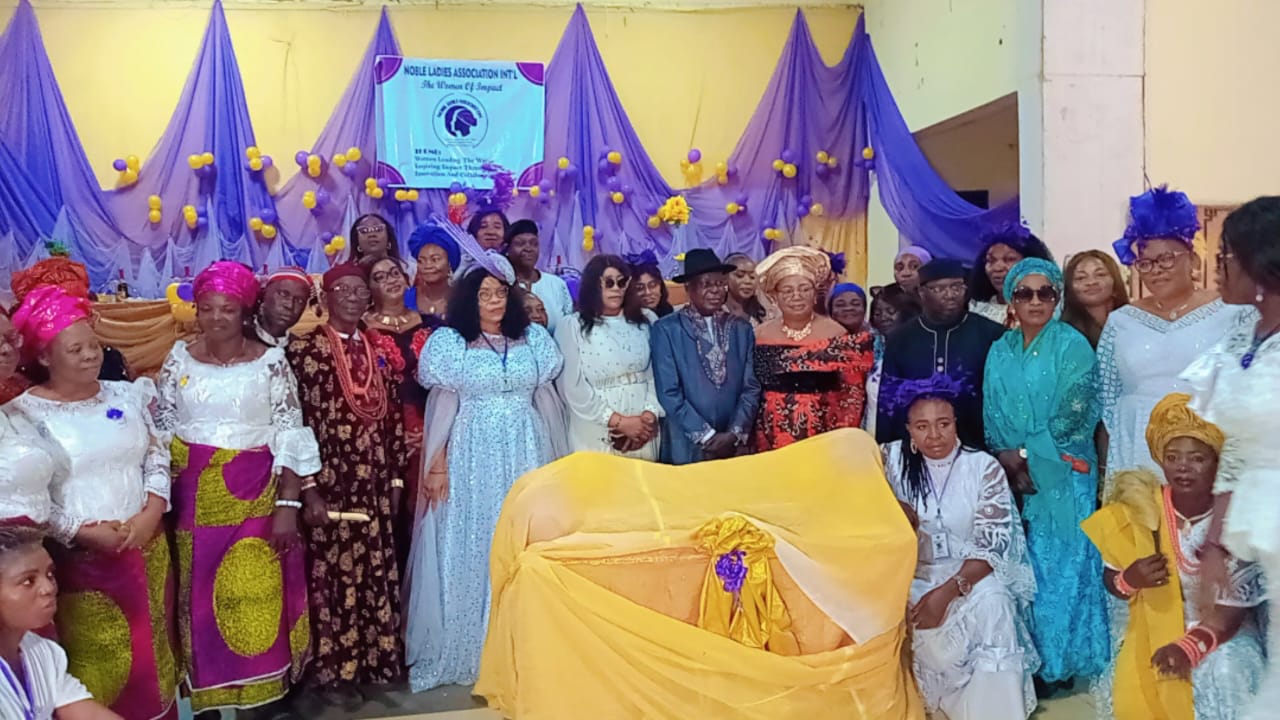
Women from diverse backgrounds across Nigeria and beyond gathered at the Art and Culture Auditorium, Abuja, for the inauguration and convention of the Noble Ladies Association. The event, led by the association’s Founder and “visionary and polished Queen Mother,” Mrs. Margaret Chigozie Mkpuma, was a colourful display of feminine elegance, empowerment, and ambition.
The highly anticipated gathering, attended by over 700 members and counting, reflected the association’s mission to help women realise their potential while shifting mindsets away from dependency and over-glamorization of the ‘white collar job.’ According to the group, progress can be better achieved through innovation and creativity. “When a woman is able to earn and blossom on her own she has no reason to look at herself as a second fiddle,” the association stated.
One of the association’s standout initiatives is its women-only investment platform, which currently offers a minimum entry of ₦100,000 with a return of ₦130,000 over 30 days—an interest rate of 30 percent. Some members invest as much as ₦1 million, enjoying the same return rate. Mrs. Mkpuma explained that the scheme focuses on women because “women bear the greater brunt of poverty” and the platform seeks “to offer equity in the absence of economic equality.”
Education is also central to the Noble Ladies’ mission, regardless of age. Their mantra, “start again from where you stopped,” encourages women to return to school or upgrade their skills at any stage in life. The association believes that financial stability is vital in protecting women from cultural practices that dispossess widows of their late husbands’ assets, while also enabling them to raise morally and socially grounded families.
Founded on the vision of enhancing women’s skills and achieving financial stability, the association rests on a value system that discourages pity and promotes purpose. “You have a purpose and you build on that purpose to achieve great potentials and emancipation,” Mrs. Mkpuma said.
A criminologist by training and entrepreneur by practice, she cautions against idleness while waiting for formal employment. “There are billions in the informal and non-formal sectors waiting to be made,” she said, rejecting the “new normal of begging” and urging people to “be more introspective to find their purpose in life and hold on to it.”
Mrs. Mkpuma’s management style keeps members actively engaged, focusing on vocational skills and training to prepare them for competitive markets. She is exploring “innovative integration of uncommon technologies” and is already in talks with international franchises to invest in Nigeria, with Noble Ladies as first beneficiaries.
The association’s core values include mutual respect, innovation, forward-thinking, equal opportunity, and financial emancipation. With plans underway to establish a secretariat in the heart of Abuja, the group aims to expand its impact.
The event drew high-profile guests, including former Inspector General of Police, Mike Okiro, and a host of VIPs, marking a significant milestone in the association’s drive for women’s empowerment.
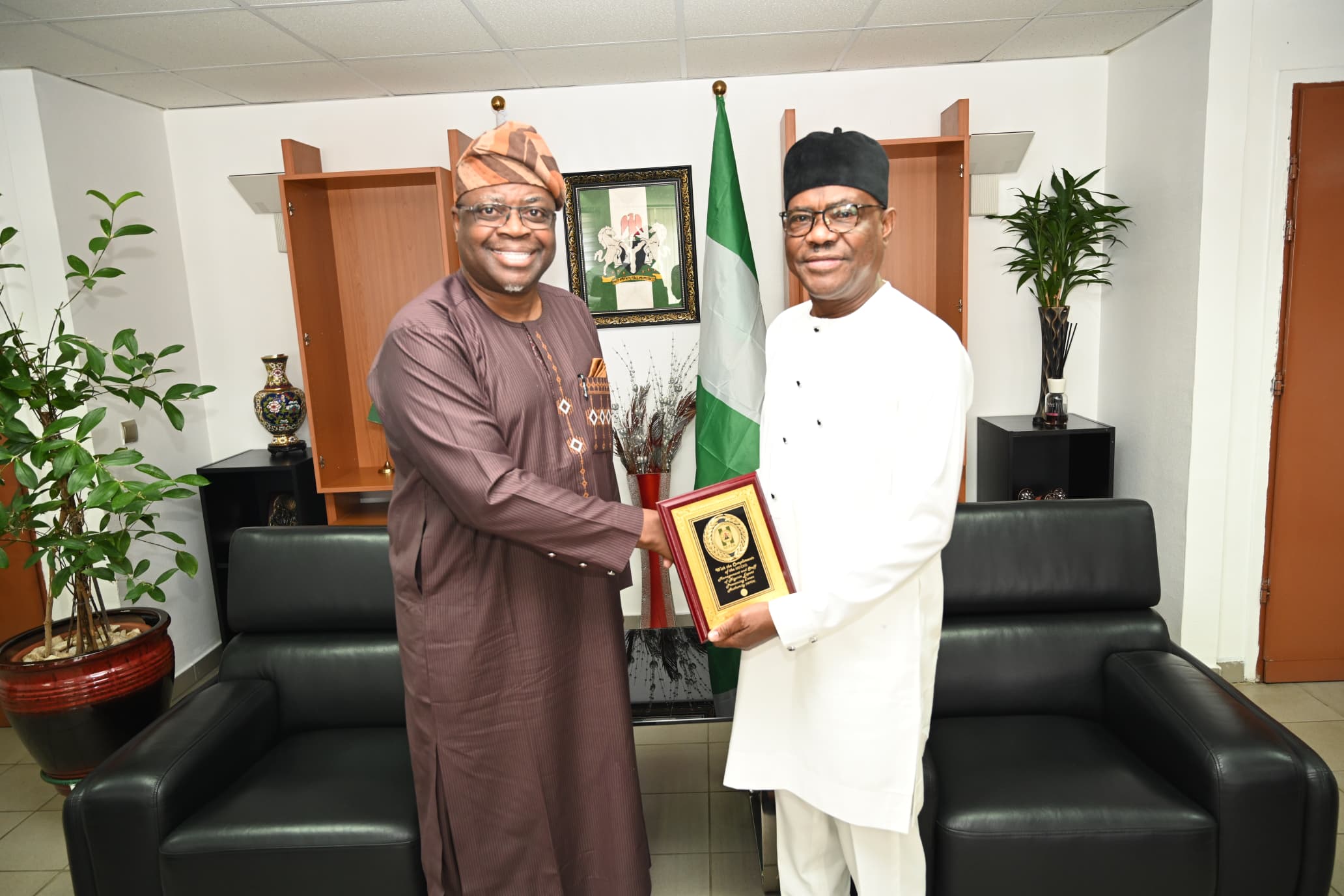
The Nigeria Export Processing Zones Authority (NEPZA) has stepped in to resolve the dispute between the Federal Capital Territory Administration and the Abuja Technology Village (ATV), a licensed Free Trade Zone, over the potential revocation of the zone’s land title.
Dr. Olufemi Ogunyemi, the Managing Director of NEPZA, urged ATV operators and investors to withdraw the lawsuit filed against the FCT administration immediately to facilitate a roundtable negotiation.
Dr. Ogunyemi delivered the charge during a courtesy visit to the Minister of the Federal Capital Territory, Barrister Nyesom Wike, on Thursday in Abuja.
You will recall that the ATV operators responded to the revocation notice issued by the FCT administration with a lawsuit.
Dr. Ogunyemi stated that the continued support for the growth of the Free Trade Zones Scheme would benefit the nation’s economy and the FCT’s development, emphasizing that the FCT administration recognized the scheme’s potential to accelerate industrialisation.
Dr. Ogunyemi, also the Chief Executive Officer of NEPZA, expressed his delight at the steps taken by the FCT minister to expand the economic frontier of the FCT through the proposed Abuja City Walk (ACW) project.
Dr. Ogunyemi further explained that the Authority was preparing to assess all the 63 licensed Free Trade Zones across the country with the view to vetting their functionality and contributions to the nation’s Foreign Direct Investment and export drives.
“I have come to discuss with His Excellency, the Minister of the Federal Capital Territory on the importance of supporting the ATV to succeed while also promoting the development of the Abuja City Walk project. We must work together to achieve this for the good of our nation,” he said.
On his part, the FCT Minister reiterated his unflinching determination to work towards President Bola Ahmed Tinubu’s Renewed Hope Agenda by bringing FDI to the FCT.
“We must fulfil Mr. President’s promises regarding industrialization, trade, and investment. In this context, the FCT will collaborate with NEPZA to review the future of ATV, a zone that was sponsored and supported by the FCT administration,” Wike said.
Barrister Wike also said that efforts were underway to fast-track the industrialisation process of the territory with the construction of the Abuja City Walk.
The minister further said the Abuja City Walk project was planned to cover over 200 hectares in the Abuja Technology Village corridor along Airport Road.
According to him, the business ecosystem aimed to create a lively, mixed-use urban center with residential, commercial, retail, hospitality, medical, and institutional facilities.
He added that the ACW would turn out to be a high-definition and world-class project that would give this administration’s Renewed Hope Agenda true meaning in the North-Central Region of the country.
Barrister Wike also indicated his continued pursuit of land and property owners who failed to fulfil their obligations to the FCT in his determination to develop the territory.

APC Support Groups Back Renewed Hope Network as Peters Predicts Wider Coalition for Tinubu’s 2027 Bid

Storm at NSITF as ₦297bn Workers’ Fund Allegations Trail MD/CEO Oluwaseun Mayomi Faleye

Adamawa Business School Hosts Workshop on New Tax Reform Law

Facebook, Instagram Temporarily Allow Posts on Ukraine War Calling for Violence Against Invading Russians or Putin’s Death

Movie download platform, Netnaija, announces closure

Nigeria, Other West African Countries Facing Worst Food Crisis in 10 Years, Aid Groups Say

-
Headlines4 years ago
Facebook, Instagram Temporarily Allow Posts on Ukraine War Calling for Violence Against Invading Russians or Putin’s Death
-
Entertainment3 years ago
Movie download platform, Netnaija, announces closure
-
Headlines4 years ago
Nigeria, Other West African Countries Facing Worst Food Crisis in 10 Years, Aid Groups Say
-
 Foreign4 years ago
New York Consulate installs machines for 10-year passport
-

 News2 years ago
Zero Trust Architecture in a Remote World: Securing the New Normal
-
 Entertainment3 years ago
Phyna emerges winner of Big Brother Naija Season 7
-
 Headlines2 years ago
Nigeria Customs modernisation project to check extortion of traders
-
 Economy2 years ago
We generated N30.2 bn revenue in three months – Kano NCS Comptroller