
News
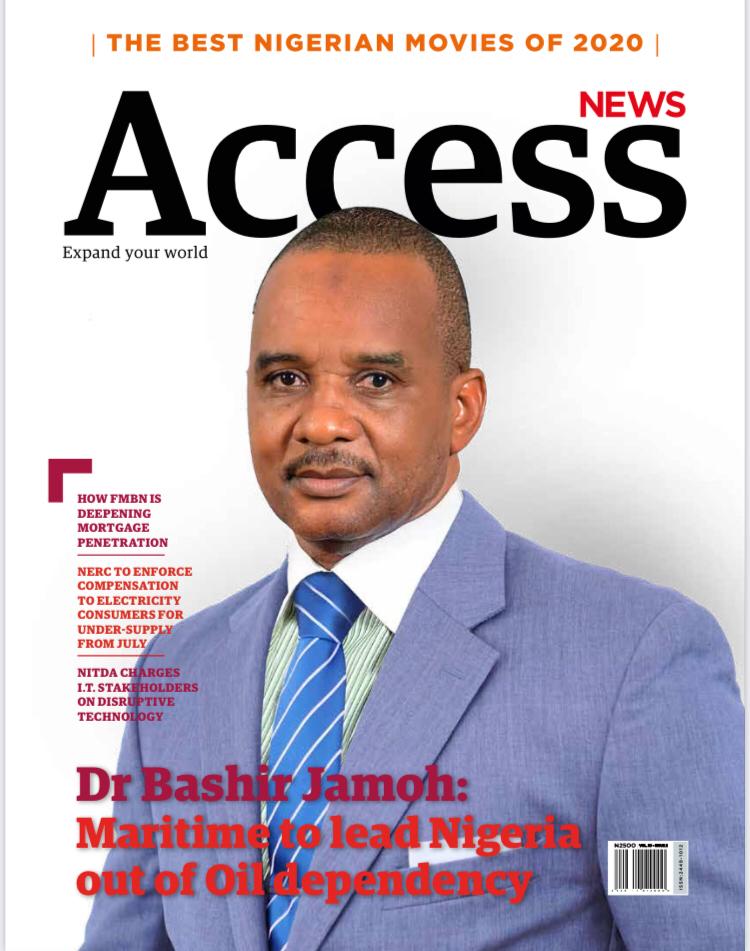
TOWARDS THE REVITALIZATION OF NIGERIA’S MARITIME INDUSTRY

By Gwen C. Onyebuchi
The impact of the COVID-19 pandemic has reverberated across several sectors particularly the maritime, aviation and transport industry as the demand and supply level in these industries continue to thin due to the countrywide border restrictions.
More than 80 per cent of global trade is conducted through the sea. What this means is that the Nigerian Maritime Administration and Safety Agency (NIMASA) is the nation’s number one authority in seaports, oceans, waters and the maritime sphere, and a powerful economic sector.
The agency’s role is of regulating and promoting all the activities involving shipping, seafarers, all the value chain activities that happen on the Nigerian coast and ocean. The goal is to simplify the oceans contribute significantly to the economic prosperity and enhancement of Nigeria’s GDP, as it is the backbone of Nigeria’s economy. The maritime sector globally has experienced setbacks and reduced revenue.
Maritime transportation accounts for about 95% of the vehicular movement for Nigeria’s international trade. It is revealed that 70% of industrial activities in Nigeria are sited around port cities of Lagos, Warri, Port-Harcourt and Calabar.
NIMASA is West Africa’s best maritime agency; this fact the International Maritime Organization (IMO) recognizes and appreciates, the international body expressed this position when it recently delivered a glowing appraisal of Nigeria’s efforts toward the control of piracy on international waters. IMO has sent a strong and valuable message to the global community accentuating the considerable efforts NIMASA is making to curb piracy and armed robbery against ships in the Gulf of Guinea. IMO commended the brave and dynamic approach of Dr Jamoh towards maritime security threats, for the recent arrests and first-time prosecution of suspected pirates through Nigeria’s new anti-piracy war.
NIMASA and its stakeholders are working assiduously to elevate the challenges that its members of staff and Nigerians are facing.
Upon his assumption of office, Dr Bashir Jamoh submerged the functions of the agency into a “Tripod S” which include maritime security, Maritime safety and shipping development.
Dr Bashir Jamoh expressed the country’s no holds barred approach toward securing the maritime. He said, “Nigeria is adopting a ‘whatever it takes’ posture in the fight against every maritime criminality, as we shall no longer fold our arms and watch trespassers perpetrate illegalities”.
The Deep Blue Project is also known as the Integrated National Security and waterways protection infrastructure aims to comprehensively tackle insecurity on Nigeria’s territorial waters and exclusive economic zone. Some of the agency’s developments and progress under Dr Bashir Jamoh’s leadership through the deep blue projects include 2 special mission vessels, 2 special mission Aircraft, 16 armoured vehicles, 17 interceptor boats, 3 special mission helicopters, special forces, 4 unmanned Ariel vehicles (UAVs), C41 Centre.
The deep blue project has had a massive impact on the Maritime sector, the management of NIMASA’s bolstering efforts is ensuring sustainability.
The agency recently took Maritime capacity building to students of the post-primary school, announcing scholarship opportunities for the best students.
Therefore, the maritime sector has greatly contributed to fostering trade, promoting globalization and has aided the Nigerian economy in terms of seamless export of locally made/sourced products. In compliance with global healthcare concerns, major operations have been suspended to curb the spread of the coronavirus globally.
The deep blue project has had a massive impact on the Maritime sector, the management of NIMASA is bolstering efforts towards the project’s sustainability.
It is amazing and impressive to see the dedication, professionalism and resilience of NIMASA despite these enormous challenges, as a result of well-intentioned efforts to protect public health and safety but overly restrictive consequences to shipping and seafarers.
NIMASA has not relented in carrying out its duties and responsibilities. The maritime sector is the unsung hero of the global economy.
Dr Bashir Jamoh is a PhD holder from the University of Port Harcourt, specializing in Logistics and Transport Management with over thirty-two (32) years of professional and technocratic experience in the transportation and maritime sectors of the Nigerian economy. In Addition to his doctoral degree in Logistics and Transport Management, he also holds a Master’s Degree in Management from Korea Maritime and Ocean University, Post Graduate Diploma in Management Sciences from Bayero University Kano and a Diploma in Accounting from Ahmadu Bello University Zaria, respectively.
He has attended several leadership and management courses at the Harvard University US, Oxford University UK, Cambridge University UK, International Training Centre of ILO Turin Italy, Institute of Public-Private Partnership Washington DC, International Law Institute, USA, and Institute for Leadership and Development for the Public Good, USA, Royal Institute of Public Administration UK and World Maritime University, Sweden, amongst others. He is also the author of the book, Harnessing Nigeria’s Maritime Assets – Past, Present and Future.
On the strength of being a seasoned administrator and maritime expert, he was appointed as the Director-General & Chief Executive Officer of the Nigerian Maritime Administration and Safety Agency (NIMASA) by the Federal Government of Nigeria on 10th of March, 2020 and he is also the current President of the Chartered Institute of Transport Administration of Nigeria (CIoTA).
Bashir also holds membership and fellowship attainments in several prestigious national and international professional bodies, amongst which are: Fellow, Institute for Service Excellence and Good Governance; Fellow, Chartered Institute of Administration of Nigeria; Fellow, Institute of Business Development; Fellow, Academy of Entrepreneurial Studies; Fellow, Institute of Public Diplomacy and Management; Fellow, Institute of Information Management; Member, Chartered Institute of Personnel Management; Member, Institute of Maritime Economist (Canada); Member, Institute of Logistics, London; Member, Nigerian Institute of International Affairs & Member, National Speakers Association (NSA) and Global Speakers Federation (USA).
He is a recipient of the Distinguished Merit Award for exemplary leadership achievements in Maritime Education in Nigeria from the Institute of Leadership and Development for the Public Good, Kansas, USA; merit awards from the Institute of Transport Administration of Nigeria and International students of the Faculty of Law, Bayero University, Kano.
Having attained a Management position since 2003, Dr Bashir Jamoh has achieved career growth through effective performance as Principal Commercial Officer (Operations), Port Services Controller (Onne); Port Services Controller (Tin-Can Island Port); Assist. Chief Commercial Officer (HQ); Chief Admin Officer (Training), Assistant Director, Wet and Dry Cargo (Operations); Assistant Director (Research), Head (Protocol & Logistics) and Assistant Director (Training).
A consummate Administrator and Trainer, he has organised and facilitated leadership training and manpower development programmes in several countries including U.K., U.S.A., U.A.E., South Africa, Brazil, Malaysia and Sweden among others. As Head of various Units, he provides leadership for several officers on learning and manpower development needs within and outside the agency. He is a highly esteemed and respected expert in maritime human capacity building, Public-Private Partnership Development in addition to Shipping Management and International Trade. Dr Bashir Jamoh possesses the qualities of a good leader in abundance: de-tribalized, disciplined and committed to developing other people’s potentials.
Some of his key accomplishments include:
- Restructuring, Reformation and Repositioning of the Agency (NIMASA).
- Improvement of Revenue Generation and steady remittance to the Consolidated Revenue Fund (CRF) of the Federal Government.
- Chairman, Organising Committee of the successfully hosted 3rd Association of African Maritime Administrations (AAMA), 2017.
- Trained over 1,650 various personnel locally and internationally in diverse subjects and skills.
- Established, equipped and managed NIMASA’s ultra-modern training centre with the capacity to accommodate 200 participants at a time.
- Successfully planned, managed and appraised capacity development of the largest maritime organisation for about a decade.
- Improved and engaged the Agency’s training to a world-class standard.
- Budgetary management of over N117 billion with commensurate value for every Naira spent.
- Accidents and incident-free management of the Agency’s protocol and logistics portfolio for local and international operations.
- Efficient research and data management for actionable maritime planning and administration in collaboration with vessel/cargo-related MDAs.
- Effective coordination of revenue generation from operations with a monthly budget of up to $40 million.
- Effectively managed the operations of incoming and outgoing vessels in major ports across coastal Nigeria.
- In Kaduna State, sound planning, procurement and management of agricultural supplies as well as produce with increased profits for farming enterprise and its value chain.
- Spearheaded and managed the process leading to the passage of the bill for the establishment of the charter status for the Chartered Institute of Transport Administrators (CIoTA) in 2019.
Dr Bashir Jamoh took over as head of Nigeria’s foremost maritime security agency when the Gulf of Guinea waters was becoming notorious for incessant pirate attacks and abductions. Settling down in the office, he quickly got to terms with the realities of the task ahead of him and within a short period, drew applauses from critical maritime stakeholders, including the International Maritime Organisation (IMO) on his early feats in office, which include the unprecedented arrest of suspected maritime pirates and their onward prosecution under the new anti-piracy law, the Suppression of Piracy and Other Maritime Offences (SPOMO) Act signed into law in June 2019 by President Muhammadu Buhari.
Bashir Jamoh, being an industry person who rose through the ranks in NIMASA, has been able to face the challenges of the office. He didn’t waste time learning the ropes. The major problem of the maritime sector has been security and safety issues, and the NIMASA DG has tried.
CVFF
For the Nigerian Association of Master Mariners (NAMM), the NIMASA DG has tried his best even though there are concerns over the stringent conditions attached to the Cabotage Vessel Financing Fund (CVFF) disbursement process.
Speaking exclusively with the Nigerian Tribune, NAMM President, Captain Tajudeen Alao explained that, “In the area of insecurity, Bashir Jamoh has tried his best, if you look at the scenario that predated his emergence as NIMASA DG. Some pirates were arrested under him and are being tried under the new anti-piracy law. I think that’s a watershed in the history of maritime crime in this country.
“In the area of the CVFF, they are currently calling for primary lending institutions which will champion the disbursement. The issue with the CVFF is the equity attached to the disbursement.”
Maritime labour
Aside from ensuring safety and security on the nation’s waterways, NIMASA is also saddled with the responsibility of regulating the employment of labour in the nation’s ports. Section 64 of the NIMASA Act defines employers of dock labour and employers of maritime labour. The section also encompasses dockworkers under the term “maritime labour”.
Speaking to the Nigerian Tribune on how the NIMASA DG has fared as regards policies guiding labour processes in the Nigerian port environment, President of the National Association of Stevedoring Companies (NASC), Mr Bolaji Sunmola lauded the NIMASA DG for the reforms that have shaped labour practices in the port environments.
In the words of the NASC President, “In our perspectives as stevedoring employers, the NIMASA DG has done well so far. He has ensured that he improved on what he met on the ground. For the records, he has ensured that the National Joint Industrial Council (NJIC) is properly constituted. By the way, he was the one that issued a marine notice to that effect.
“That marine notice which the NIMASA DG issued at the early stages of his tenure in office opened the door for negotiation with the IOCs. The IOCs have been coming forth for negotiation. It’s just that these issues have too many national complexities, but NIMASA under Jamoh has tried its best.”
DEPLOYMENT OF CONTROVERSIAL NIMASA FLOATING DOCK:
The NIMASA, DG said the agency and the NPA are almost finalising arrangements to deploy the floating dock to the Continental Shipyard owned by the NPA under a Public-Private Partnership (PPP) arrangement.
Jamoh said, already oil/gas majors are ready to dry-dock their ships with the facility and are expected to generate over N1billion annually and over 350 workers will be employed, adding that the floating dock will save Nigeria foreign exchange and generate more revenue to the government as well as serve as a sea-time training of Cadets in mechanical and electrical fields.
DEEP BLUE PROJECT:
Nigeria has announced a significant investment in military and law enforcement infrastructure to secure its maritime domain as part of a stepping up of actions to address the ongoing piracy issue in the Gulf of Guinea. Managed by the Nigerian Maritime Safety Agency (NIMASA), the multi-agency project will significantly increase maritime security in the region, an area blighted by piracy, armed robbery, and other maritime crimes.
President Muhammadu Buhari, GCFR, recently performed the official launch of the assets in Lagos under the Integrated National Security and Waterways Protection Infrastructure, also known as the Deep Blue Project.
The Maritime Security Unit (MSU) of the Deep Blue Project, comprising personnel from the Nigerian Navy, Nigerian Army, Nigerian Air Force, Nigeria Police, and Department of State Services, in preparation to lunch the Deep Blue Asset Project, conducted simulation exercises for the event on the land, air, and sea assets of the Project to confirm their readiness for full deployment. It is worthy of note that the various military formations in the region were aware of the exercise.
While this exercise was ongoing, members of the public, especially those living in coastal communities, were advised to remain calm, as this exercise was only meant to test the readiness of the assets.
According to Dr Jamoh, “With the deployment of the assets of the Deep Blue Project, we are entering another level of national security designed for total spectrum maritime security and better domain awareness using some of the latest technology.
“This effort to secure our waters would give Nigerians more leverage to harness the enormous resources of our maritime environment and aid the drive towards economic diversification.”
The Project, which was initiated by the Federal Ministry of Transportation and Federal Ministry of Defence, is being implemented by NIMASA.
The main objective of the Deep Blue Project is to secure Nigerian waters up to the Gulf of Guinea. The Project has three categories of platforms to tackle maritime security on land, sea, and air.
The land assets include the Command, Control, Communication, Computer, and Intelligence Centre (C4i) for intelligence gathering and data collection; 16 armoured vehicles for coastal patrol; and 600 specially trained troops for interdiction, known as Maritime Security Unit. The sea assets include two Special Mission Vessels and 17 Fast Interceptor Boats.
The air assets comprise two Special Mission Aircrafts for surveillance of the country’s Exclusive Economic Zone (EEZ); three Special Mission Helicopters for search and rescue operations; and four Unmanned Aerial Vehicles.
The Deep Blue Project is the first integrated maritime security strategy in West and Central Africa to tackle the incidences of piracy, sea robbery, and other crimes at sea.
While prosecution of suspected criminals used to be a challenge, the Suppression of Piracy and Other Maritime Offenses (SPOMO) Act passed by the 9th National Assembly has now provided legal backing for prosecution and punishment of offenders.
A central command and control centre based in Lagos will oversee a network of integrated assets including two special mission vessels, two special mission long-range aircraft, 17 fast-response vessels capable of speeds of 50 knots, three helicopters, and four airborne drones, providing 24/7 cover for the region. These complement the Yaounde ICC structure offering the real capability to both Nigeria and the region.
It is the hope of the industry organizations that Deep Blue, coordinated with other navies and programmes through the mechanism of the GOG – Maritime Collaboration Forum/SHADE will seriously derail the ability of pirate groups to prey on merchant shipping.
With the arrival of these platforms, the agency is set to battle criminality in Nigerian waters and generate more revenue, emphasising also that, the Deep Blue Project will provide training and employment to the teeming Nigerian youths.
The launch of the Deep Blue Project is a tangible demonstration that the tide has turned against the scourge of piracy. This project has the potential to greatly contribute to seafarers being once again able to carry out their duties without fear for their safety.
PORTS DIGITISATION
Technology plays a role in the preparation for post-pandemic operations. Automation will become the new norm across the length and breadth of the economic sectors around the country. The maritime sector will not be left behind in this innovation.
Alternative telecommunications for the combination of submerged drones using underwater transmission and airborne drones using atmospheric transmission to communicate with ship navigation systems could further assist autonomous ship navigation through restricted surroundings. The goal is to reduce human interaction to the barest minimum.
NIMASA has established a committee to update its 24-hour operations. Dr Jamoh emphasized the need for 24-hour port operations. Dr Jamoh gave the committee established for this purpose 30 days to complete the assignment and submit it to the Committee of Chief Executive Officers of the Maritime Industry.
He stated: “With regard to port operations 24 hours a day, I would like to appoint the Labour Services Director to chair the update committee and he has the authority to recruit members who he believes will be able to report a 24-hour port duty within the next 30 days.
“Your mandate is to develop a roadmap, action plan, results, timeliness, performance indicators and KPIs to start automating our own system to start 24/7 operations in our own port and forward to the committee of the CEOs of the maritime industry and see how we can start implementing the 24-hour port services.
“I believe this in turn will alleviate the Apapa stalemate problem. If we can offer a 24/7-hour service, the night will certainly be a very busy day while the other stakeholders rest at home. The trucks will be very busy lifting cargo, coupled with the problem of the alternative source of use of our waterways and the rail routes that are due to start sooner rather than later. Apapa stalemate problem “This eliminates the problem of the retrieval system.
The on-demand system has been working for the past 30 days, but within two weeks of implementing the on-demand system, the situation has reversed from its normal course. “Why, because we haven’t yet got to the bottom of the Apapa stalemate issue; we introduce a short-term solution to the problem. You may have a headache that is a symptom, but the main problem may be stress. If you don’t rest, you can take medication that will give you five hours of relief and return.
“There are so many issues related to the downtime that we have to address them directly and will see the light of day at the end of the day, but I think the 24/7 port operations will be a problem too. A long one Way to find solutions to this particular problem,” he concluded.
Adaptability and innovation are the live wire of business in any given industry and these must be adopted going forward to preserve business operations as well as protect the well-being of employees and customers. Shipping and ports are essential for the continuous functioning of the economy as they foster trade and international relations.
NIMASA is committed to the incorporation of global best practices in the provision of maritime services in Nigeria.







As the on-line betting market continues to grow, it’s important for players to be aware of accountable gaming techniques. Accountable gambling wagering sites are systems that prioritize the wellness of their consumers and promote safe and liable betting behaviors.
What are Accountable Gambling Betting Sites?
Accountable gambling wagering sites are on the internet platforms that intend to avoid and resolve trouble wagering habits. These websites provide resources and tools to help customers handle their gaming routines, such as setting down payment restrictions, self-exclusion alternatives, and access to sustain solutions.
Liable gaming wagering sites additionally advertise openness and justness in their procedures, guaranteeing that consumers recognize the threats connected with betting and supplying information on just how to seek aid if needed.
By promoting accountable gaming methods, these websites aim to develop a risk-free and satisfying environment https://www.trustpilot.com/review/clarohorizonte.com for all players, while minimizing the possible injury that can be related to problem gaming.
- Establishing down payment limitations
- Self-exclusion options
- Access to sustain solutions
- Advertising openness and fairness
Exactly How to Determine Liable Gambling Betting Sites
There are numerous key signs that can assist you determine liable gaming wagering sites. Try to find systems that plainly display details on accountable gambling, consisting of web links to support services and resources for handling gambling habits.
Liable gaming wagering websites often have devoted sections on their internet sites that outline their dedication to advertising safe and responsible betting practices. They might additionally show logo designs or qualifications from organizations that concentrate on responsible gambling, showing their commitment to this crucial concern.
Furthermore, responsible gambling wagering websites normally give tools and attributes that permit users to set limitations on their betting activity, such as deposit limitations, time frame, and self-exclusion choices. These functions help individuals take control of their gambling behaviors and stop excessive or damaging actions.
The Relevance of Accountable Gaming
Liable gaming is crucial for safeguarding players from the prospective harms of issue gaming. By advertising responsible betting practices, betting sites can help avoid dependency, economic difficulty, and various other negative consequences that can arise from too much betting.
- Safeguarding players from the damages of problem wagering
- Preventing addiction and monetary difficulty
- Advertising a safe and satisfying betting setting
Final thought
Responsible gaming wagering websites play an important duty in advertising safe and responsible betting behaviors. By providing sources, tools, and assistance services, these platforms assist users manage their betting habits and reduce the threats associated with trouble betting.


A youth-led organisation, Inclusive Development (INCLUDE), has unveiled the Change-Maker’s Public Policy Guide, a new resource aimed at empowering young Nigerians with the skills and knowledge needed to participate actively in governance, policymaking, and accountability processes.
The guide was launched in Abuja on Friday at the conclusion of a five-week intensive capacity-building programme designed to strengthen youth engagement in public policy development and civic participation.
Speaking during the unveiling, the Executive Director of Inclusive Development, Bukola Taiwo, said the initiative was created to address the gap between young people’s desire to influence governance and their understanding of how public policy systems operate.
According to her, many young Nigerians are eager to contribute to governance but often lack the practical knowledge required to engage effectively with policy structures and decision-making processes.
Taiwo explained that the programme trained 20 young participants in key areas of public policy, governance, and accountability. Of the participants, 17 successfully developed policy briefs addressing critical issues affecting their communities and the country.
She noted that the trainees collaboratively developed the Change-Maker’s Public Policy Guide as a practical resource to help young Nigerians navigate policy processes at both national and sub-national levels.
“The programme focused on amplifying the voices of young people in public policy discussions and equipping them with the skills needed to engage governance and accountability systems effectively,” she said.
She added that the guide was designed to help emerging changemakers understand how policies are formulated, identify opportunities for engagement across different levels of government, and contribute meaningfully to governance reforms.
The training programme covered several aspects of policy development and advocacy, including policy research, systems thinking, power mapping, problem analysis, and strategic storytelling.
Participants were introduced to analytical tools such as systems change frameworks, power mapping models, and problem analysis techniques to enhance their ability to identify policy challenges and propose evidence-based solutions. The programme also highlighted the role of storytelling in shaping public discourse and influencing policy outcomes.
The initiative was organised by Inclusive Development (INCLUDE) with support from the Nigeria Youth Futures Fund and the Amandla Institute for Leadership and Policy Advancement.
Taiwo reaffirmed the organisation’s commitment to empowering young people, particularly those from underserved and marginalised communities, to participate meaningfully in governance and development processes.
Inclusive Development (INCLUDE) is a youth-led organisation dedicated to promoting equity, peace, and justice through initiatives that empower underserved populations. The organisation operates at the intersection of governance, peacebuilding, and gender justice to advance sustainable development in Nigeria and across Africa.
Stakeholders at the event described the guide as a timely intervention capable of deepening youth participation in policymaking and fostering stronger connections between citizens and governance institutions.


Fresh allegations of large-scale financial irregularities, abuse of office, and governance breakdown have engulfed the Nigeria Social Insurance Trust Fund (NSITF), following a series of petitions by the Arewa Revival Project, a civic accountability and good-governance advocacy group, calling for urgent investigations into the activities of the Managing Director/Chief Executive Officer, Mr. Oluwaseun Mayomi Faleye.
The group has formally written to the Economic and Financial Crimes Commission (EFCC), the Independent Corrupt Practices and Other Related Offences Commission (ICPC), the Office of the Auditor-General of the Federation, the Federal Ministry of Finance under the Whistleblower Policy, the Federal Ministry of Labour and Employment, the NSITF Management Board, as well as organised labour bodies, including the Nigeria Labour Congress (NLC) and the Trade Union Congress (TUC).
At the centre of the controversy are allegations involving the management of approximately ₦297,019,145,288.60 in workers’ funds collected under the Employees’ Compensation Act (ECA) between January 2 and October 9, 2025.
Workers’ Funds, Not Government Revenue
The Employees’ Compensation Scheme is funded through compulsory employer contributions of one per cent of payroll, designed to provide compensation to Nigerian workers who suffer injury, disability, or death in the course of employment.
According to multiple senior NSITF officials cited in investigative reports, the funds administered by NSITF are not government revenue, but trust funds belonging exclusively to Nigerian workers.
“This is not government money. This is workers’ money, contributed mandatorily under the law,” one senior official was quoted as saying. “Every kobo is supposed to be protected by layers of checks and balances.”
₦243.2bn Allegedly Spent Without Board Approval
Documents reviewed by investigators indicate that out of the total inflow of ₦297,019,145,288.60, expenditures amounting to ₦243,203,518,621.17 were recorded within the same period.
Multiple sources allege that a significant portion of this expenditure was carried out without the approval of the NSITF Management Board, in violation of the NSITF Act and existing federal financial regulations.
Officials familiar with the records described the development as a “complete collapse of safeguards” meant to protect workers’ funds.
‘No Approval Limit’ Resolution Raises Alarm
Central to the allegations is an internal document dated March 4, 2025, reportedly extracted from the minutes of the 46th Executive Committee (EXCO) meeting of NSITF, chaired by Mr. Faleye.
According to the document, financial approval limits were set as follows:
- Other General Managers: ₦25,000
- General Manager (Finance): ₦50,000
- Other Executive Directors: ₦750,000
- Executive Director (Finance and Investment): ₦1,000,000

However, under the same resolution, the Managing Director/Chief Executive Officer allegedly approved “no limit” for his own spending authority.
Sources allege that this effectively granted Mr. Faleye unrestricted powers to approve payments of any amount without recourse to the Board or external oversight.
“He simply wrote and signed a document granting himself ‘No Approval Limit’,” a senior official disclosed. “There is absolutely no legal basis for this in the NSITF Act or federal financial regulations.”
Under existing federal thresholds, Managing Directors of government parastatals are reportedly capped at ₦30 million for works and ₦10 million for goods and services, subject to board oversight.
Over 100 Bank Accounts Linked to One BVN
Perhaps the most startling allegation involves the operation of over 100 bank accounts allegedly linked to a single Bank Verification Number (BVN) belonging to Mr. Faleye.
Documents reportedly show that the BVN, registered on June 10, 2015, with Guaranty Trust Bank, Ajose Adeogun Branch, is associated with numerous accounts, some of which allegedly received funds traceable to NSITF operations.
“The scale is staggering,” one insider said. “You don’t run over 100 accounts accidentally. This points to systematic structuring.”
$7.3m and Hundreds of Millions of Naira Traced
In a separate document obtained by investigators, alleged inflows of millions of dollars and hundreds of millions of naira were traced to accounts linked to Mr. Faleye and entities reportedly associated with him.
The transactions listed include:
- Faleye Oluwaseun Mayomisola, GTBank USD Account 0111206422 – $336,917.00
- Faleye Oluwaseun Mayomisola, GTBank USD Account 0004754113 – $6,743,421.00
- Faleye Oluwaseun Mayomisola, GTBank NGN Account 0004754096 – ₦291,182,605.00
- Fides & Fiducia Client Account, Access Bank NGN Account 0718896883 – ₦584,950,000.00
- Fides & Fiducia, Access Bank USD Account 0690403396 – $626,279.00
- Fides & Fiducia, Zenith Bank NGN Account 1013806407 – ₦93,757,500.00
- Pluschess Limited, Zenith Bank USD Account 071315271 – $20,000.00
- Faleye Oluwaseun Mayomisola, GTBank USD Account 3001101016 – $75,558.00
The total dollar inflow alone is estimated at over $7.3 million, excluding naira-denominated transactions.
“These are not small transfers,” a source familiar with the documents said. “The volume, frequency, and structuring suggest deliberate efforts to move and possibly conceal funds.”
₦5.53bn Commission Payments Questioned
Further allegations relate to commission payments totalling ₦5,533,517,486.90, allegedly approved and paid without the consent of the NSITF Management Board or the supervising Ministry.
The payments reportedly include:
- ₦1,379,186,010.00 – Assurance Services ST ADBA Ltd (09/10/2025)
- ₦865,000,000.00 – TAGG Global Resources Ltd (18/03/2025)
- ₦683,777,666.40 – Rate Seal Support & Project Ltd (17/09/2025)
- ₦659,303,810.50 – Rate Seal Support & Project Ltd (16/05/2025)
- ₦648,750,000.00 – Rate Gold Solution Nig Ltd (16/05/2025)
- ₦648,750,000.00 – Gold Solution Nig Ltd (01/08/2025)
- ₦648,750,000.00 – TAGG Global Resources Ltd (01/08/2025)

Sources allege that the commissions ranged between 15 per cent and 20 per cent, and were paid without lawful authority.
Board Absence and Governance Vacuum
Mr. Faleye was appointed Managing Director in July 2023, while the NSITF Management Board was reportedly not constituted until around January 2025, creating a governance gap of over one year.
“The Act expressly forbids Executive Management from spending funds without board approval,” a top official explained. “If there is no board, spending should not take place.”
Arewa Revival Project Condemns Alleged Acts
Reacting to the allegations, the Arewa Revival Project, under the leadership of Hon. Muttakka Ahmed Ibrahim, condemned the alleged acts, describing them as a grave betrayal of public trust if proven.
The group called on President Bola Ahmed Tinubu, as well as all relevant anti-corruption and regulatory authorities, to urgently investigate the allegations to protect workers’ funds and restore confidence in public institutions.
Responses from Officials
When contacted, Mr. Faleye reportedly stated that he was not aware of the allegations. However, when questioned about the dollar accounts and alleged inflows of over $7.3 million, he reportedly ended the call abruptly.
The Permanent Secretary of the Ministry of Labour, Mr. Salihu Usman, reportedly denied prior knowledge of the alleged transactions, while the Chairman of the NSITF Board, Mr. Shola Olofin, requested time to verify the claims.
Presumption of Innocence
All allegations remain unproven and subject to investigation. Analysts note that the unfolding developments represent a major test of Nigeria’s public finance accountability framework, particularly in institutions entrusted with workers’ welfare.
As investigations commence, millions of Nigerian workers await answers over the safety of funds meant to protect them in times of injury, disability, and loss.
Responsible Gambling Betting Sites

Inclusive Development Launches Policy Guide to Strengthen Civic Engagement in Nigeria

APC Support Groups Back Renewed Hope Network as Peters Predicts Wider Coalition for Tinubu’s 2027 Bid

Facebook, Instagram Temporarily Allow Posts on Ukraine War Calling for Violence Against Invading Russians or Putin’s Death
Movie download platform, Netnaija, announces closure
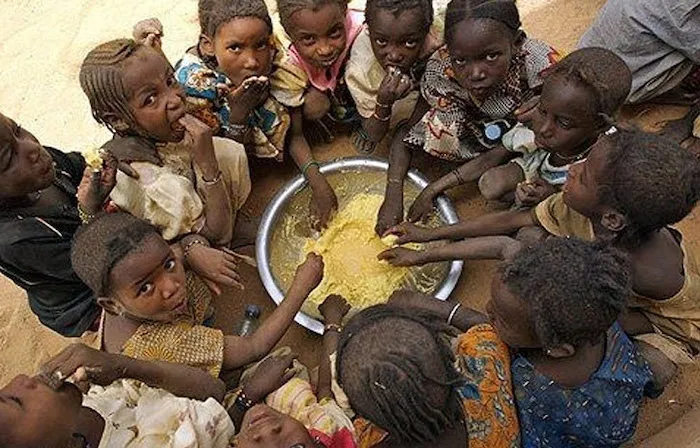
Nigeria, Other West African Countries Facing Worst Food Crisis in 10 Years, Aid Groups Say

-
Headlines5 years ago
Facebook, Instagram Temporarily Allow Posts on Ukraine War Calling for Violence Against Invading Russians or Putin’s Death
-
Entertainment3 years ago
Movie download platform, Netnaija, announces closure
-
Headlines5 years ago
Nigeria, Other West African Countries Facing Worst Food Crisis in 10 Years, Aid Groups Say
-
 News5 years ago
2023: I will transform Nigeria from a potential to a prosperous country― Tinubu
-
 Foreign4 years ago
New York Consulate installs machines for 10-year passport
-
 Crime4 years ago
EFCC Arrests Ex-Zamfara Governor Yari Over ₦84bn Fraud
-

 News2 years ago
Zero Trust Architecture in a Remote World: Securing the New Normal
-
 Headlines5 years ago
Adamawa Govt approves ₦3bn for NG-CARES Programme